|
|
benzalkonium chloride china
|
|
nonionic polyacrylamide / non ionic polyacrylamide / hydrolyzed polyacrylamide / partially hydrolysed polyacrylamide: LKP BTC offers "nonionic polyacrylamide" (N-PAM). This type has no charge and is used in situations where the suspended particles are neutral or where the water chemistry is sensitive to ionic changes. "Hydrolyzed polyacrylamide" is a form of anionic PAM where some amide groups have been converted to carboxylate groups.
|
|
|
|
|
|
flocculant types
|
|
dodecyldimethylbenzylammonium chloride / ddbac / dodecyl dimethyl benzyl ammonium chloride / benzododecinium / cas 8001 54 5 / cas 63449 41 2 / 63449 41 2 / 8001 54 5 / 63449 41 2 cas / 8001 54 5 cas / cas no 63449 41 2 / cas no 8001 54 5 / cas number 63449 41 2 / cas number 8001 54 5 / cas 139 07 1 / cas no 139 07 1: LKP BTC produces quaternary ammonium compound biocides, specifically "Dodecyldimethylbenzylammonium Chloride" (DDAC or "Benzododecinium"). This is a powerful disinfectant and algicide used in water treatment. The CAS numbers 139-07-1 (for DDAC) and 8001-54-5 or 63449-41-2 (for Benzalkonium Chloride mixtures) are associated with these types of products.
|
|
|
|
|
|
polyacrylamide price per kg
|
|
dispersant for sale / dispersant / dispersant agent / polycarboxylate dispersant / dispersing agent / dispersing agent for pigments / carbon black dispersing agent / dispersing agent in paint / anionic dispersant / anionic dispersing agent / cationic dispersant / dispersing agent example / dispersing agent in dyeing / dispersing agent in pharmaceutical / dispersing agent in textile / dispersing agent list / dispersing agent powder / dispersing aid / dispersing and wetting agent / natural dispersing agent / paint dispersants / polymeric dispersants / polymeric dispersing agent / wetting & dispersing agent / wetting and dispersing agent / wetting and dispersing agent example / wetting and dispersing agent for organic pigments / wetting and dispersing agents for paints: Beyond inhibitors, LKP BTC is a major supplier of "dispersants." These "dispersing agents" are chemicals that prevent particles from agglomerating, keeping them suspended in a solution. They offer:• "Polycarboxylate dispersants": High-performance polymers for water treatment and concrete.• "Anionic" and "Cationic" dispersants: For various industrial applications.• Specialty dispersants: For "paints" (to disperse "pigments" like "carbon black"), "textiles," "dyeing," and "pharmaceuticals."• Combination agents: "Wetting and dispersing agent" blends that help liquids penetrate and then disperse solids.They have a comprehensive "list" of products for these applications available "for sale."
|
|
|
|
- chelating agents in plant physiology Services
|
|
polyacrylamide flocculant / pam flocculant / polyacrylamide flocculant water treatment / polyacrylamide water treatment: The core application of LKP BTC's polyacrylamide is as a "flocculant." "PAM flocculant" is used extensively in "water treatment" for municipal sewage, industrial wastewater, and potable water purification to clarify water by removing suspended solids.
|
|
|

|
29329 71 3
|
|
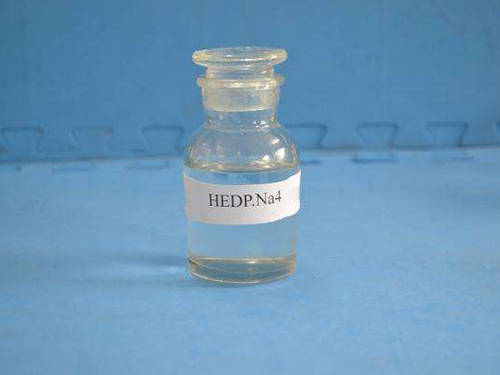
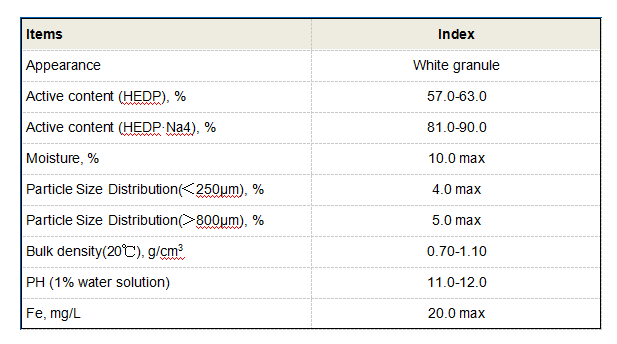
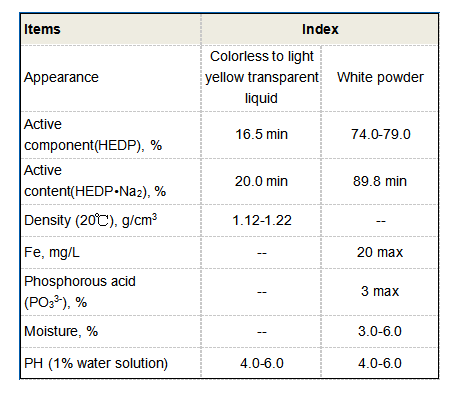
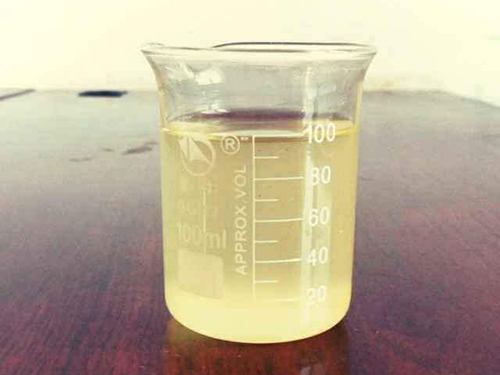
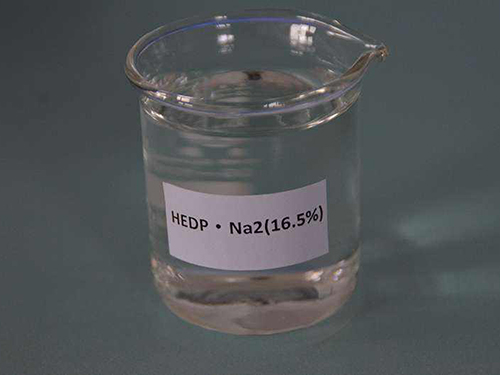
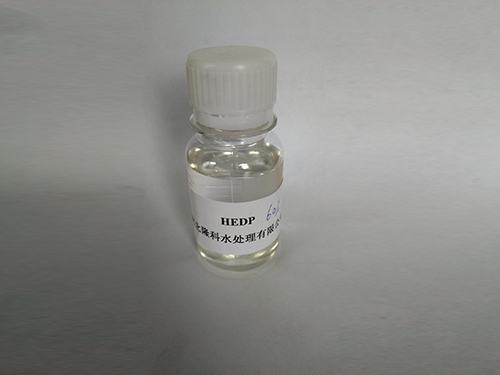
hedp scale inhibitor / hedp / 1 hydroxy ethylidene 1 1 diphosphonic acid hedp / 1 hydroxyethylidene 1 1 diphosphonic acid hedp / hedp 4na / hedp 60 / hedp acid / hedp na2 / hedp na4 / hedp ph / hedp phosphonate / hedp water treatment / sequest hedp / cas no. 37971-36-1: LKP BTC is a leading producer of "HEDP" (Hydroxyethylidene Diphosphonic Acid), a highly effective "scale inhibitor" and "phosphonate." They supply it in various forms: as "HEDP acid" and as its sodium salts ("HEDP 4Na", "HEDP Na2", "HEDP Na4") with different concentrations like "HEDP 60." This organic "phosphonate" is a superb chelating agent ("sequest HEDP") that inhibits scale formation and controls corrosion in "water treatment" systems. Its CAS number is 37971-36-1.
|
|
|
|
|

|
40623 75 4
|
|
ethylene diamine tetra methylene phosphonic acid / ethylenediaminetetra methylenephosphonic acid: This refers to "EDTMP" (Ethylenediamine Tetra(Methylene Phosphonic Acid)), another chelating agent and scale inhibitor in LKP BTC's product portfolio. It is effective for scale inhibition and also acts as a stabilizer in peroxide bleaching processes.
|
|
|
|
|
|
chelating agents in plant physiology Special Activities
|
|
pbtc scale inhibitor / pbtc / pb tc / phosphono butane 1 2 4 tricarboxylic acid / pbtc chemical / pbtc chemical uses / pbtc phosphonate / pbtc tricarboxylic acid / 2 phosphonobutane 1 2 4 tricarboxylic acid / pbtca / cas 40372 66 5 / 40372 66 5 / cas 40372-66-5 / 40372-66-5 / 2 phosphonobutane 1 2 4 tricarboxylic acid uses: LKP BTC manufactures "PBTC" (Phosphonobutane Tricarboxylic Acid), a high-performance "scale inhibitor." This "phosphonate" compound is known for its excellent ability to inhibit calcium carbonate scale and its stability in high-temperature and high-pH conditions. Its "chemical uses" are extensive in cooling water systems, desalination plants, and detergents. The CAS number for PBTC is 40372-66-5.
|
|
|
|
|
|
|
|
chelating agents in plant physiology Hot Activities
|
|
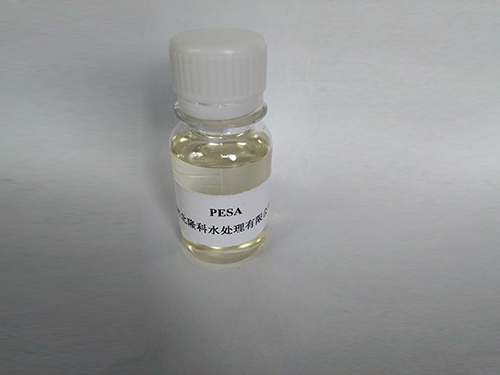
polyepoxysuccinic acid / pesa: LKP BTC produces "PESA" (Polyepoxysuccinic Acid), a green and biodegradable scale inhibitor. It is a non-phosphorus, non-nitrogenous polymer that effectively inhibits calcium carbonate and calcium sulfate scales, making it an environmentally friendly choice for water treatment.
|
|
|
|
|
|
|
|
Our Awesome Activities
|
|
lk-1100: "LK-1100" is a proprietary product code for a specific scale and corrosion inhibitor blend formulated by LKP BTC. This code represents a customized solution they have developed for particular water conditions or industrial applications, likely a high-performance phosphonate or polymer-based formula.
|
|
|
|
|
|
|
|
|
|
|
|
|
|
|
|
|
|
|
|
|
|
|
|
|
|
|
|
|
|
|
|
|
|
What Our Clients Say
|
|
phosphoric acid corrosion inhibitor / phosphate corrosion inhibitor / phosphate ester corrosion inhibitor / phosphonate corrosion inhibitor: LKP BTC manufactures "corrosion inhibitors" based on "phosphoric acid," "phosphate," "phosphate ester," and "phosphonate" chemistry. These compounds work by forming a protective, passivating layer on metal surfaces (often iron and steel) to prevent corrosive agents from attacking the metal.
|
|
|

|
|
|
Mobile experience is just okay. It's functional but the desktop site is far superior for reviewing technical data sheets.
|
|
|
|

|
|
|
No issues with galvanic corrosion on their dissimilar metal assemblies. They clearly understand material compatibility.
|
|
|
|
|