|
|
|
|
|
WELCOME TO hedp price |
|
|

|
|
|
|
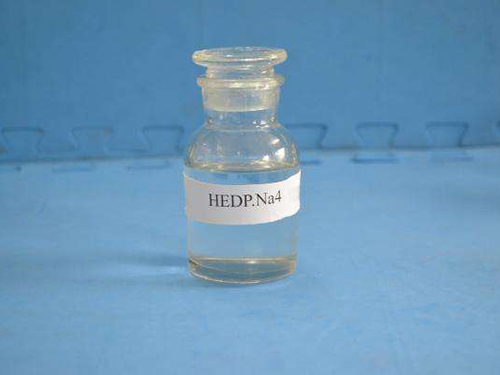
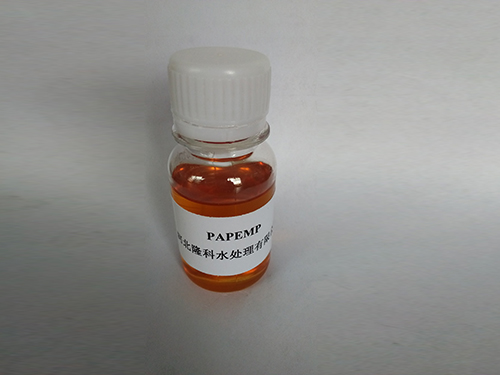
hedp scale inhibitor / hedp / 1 hydroxy ethylidene 1 1 diphosphonic acid hedp / 1 hydroxyethylidene 1 1 diphosphonic acid hedp / hedp 4na / hedp 60 / hedp acid / hedp na2 / hedp na4 / hedp ph / hedp phosphonate / hedp water treatment / sequest hedp / cas no. 37971-36-1: LKP BTC is a leading producer of "HEDP" (Hydroxyethylidene Diphosphonic Acid), a highly effective "scale inhibitor" and "phosphonate." They supply it in various forms: as "HEDP acid" and as its sodium salts ("HEDP 4Na", "HEDP Na2", "HEDP Na4") with different concentrations like "HEDP 60." This organic "phosphonate" is a superb chelating agent ("sequest HEDP") that inhibits scale formation and controls corrosion in "water treatment" systems. Its CAS number is 37971-36-1.amphoteric polyacrylamide / cross linked polyacrylamide / dry polyacrylamide / polyacrylamide powder price / polyacrylamide price: LKP BTC's product range includes "amphoteric polyacrylamide," which contains both cationic and anionic groups, offering versatility in challenging water conditions. They supply PAM in "dry" solid forms like powder or granules, and the "price" for "polyacrylamide powder" is competitive for bulk orders.https://cdn.exportstart.com/images/a1132/richgoods/9_202401262309596093.jpginhibitor corrosion coolant / coolant corrosion inhibitor / automotive corrosion inhibitor / corrosion inhibitor for cars / engine corrosion inhibitor / engine coolant corrosion inhibitors / fuel corrosion inhibitor / lubricant corrosion inhibitor: LKP BTC produces specialized "corrosion inhibitors" for automotive applications. These include additives for "engine coolant" and "antifreeze" to protect radiators and engine blocks ("coolant corrosion inhibitor"), as well as formulations for "fuel" systems and "lubricant" oils to prevent rust in tanks and engines.flocculant types / what is poly aluminium chloride / poly aluminium chloride uses / polyacrylamide use / polyacrylamide formation: LKP BTC provides extensive technical expertise on their products. They explain the different "types of flocculants" (anionic, cationic, nonionic polyacrylamide) and their specific applications. They detail "what poly aluminium chloride is" – an inorganic coagulant – and its "uses" in removing suspended solids. For "polyacrylamide," they cover its "use" as a flocculant to aggregate fine particles and its chemical "formation" process. |
|
|

|
|
|
|
|
|