|
| benzalkonium chloride solution |
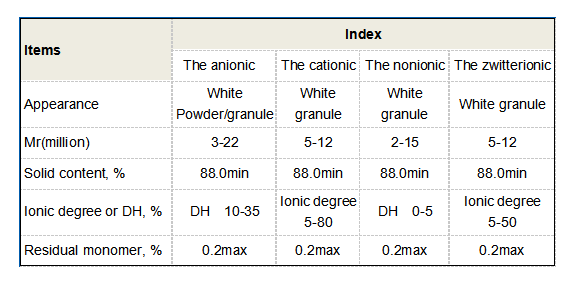
| flocculant for sale / types of flocculants in water treatment / different types of flocculants / oem flocculant / flocculant factory / flocculant manufacturer / flocculant supplier / flocculant water treatment / flocculant chemical / flocculant chemicals for water treatment / flocculants used in water treatment / water flocculant / floc water treatment / industrial flocculant / coagulants and flocculants / coagulant and flocculant chemicals / coagulant flocculant / coagulants and flocculants in water treatment / flocculant vs coagulant / coagulation and flocculation in water treatment / coagulation and flocculation / coagulation flocculation / water flocculation chemicals / flocculation chemicals / water treatment flocculation chemicals / chemical coagulation and flocculation water treatment / flocculation in water purification / water coagulation and flocculation / flocculant price / difference between flocculant and coagulant: This extensive list represents the core of LKP BTC's business: manufacturing and supplying "flocculants" and "coagulants." As a "flocculant factory," they produce a wide range of "flocculant chemicals for water treatment," including:• Coagulants (e.g., "polyaluminum chloride"): Charge-neutralizing chemicals that destabilize particles.• Flocculants (e.g., "polyacrylamide"): Polymers that aggregate destabilized particles into larger "flocs."They explain the "difference between flocculant and coagulant" and their synergistic use in the "coagulation and flocculation" process to remove suspended solids from water in municipal and "industrial" treatment plants. They offer "OEM" services and competitive "prices." |
|
 |
| benzalkonium chloride antibacterial |
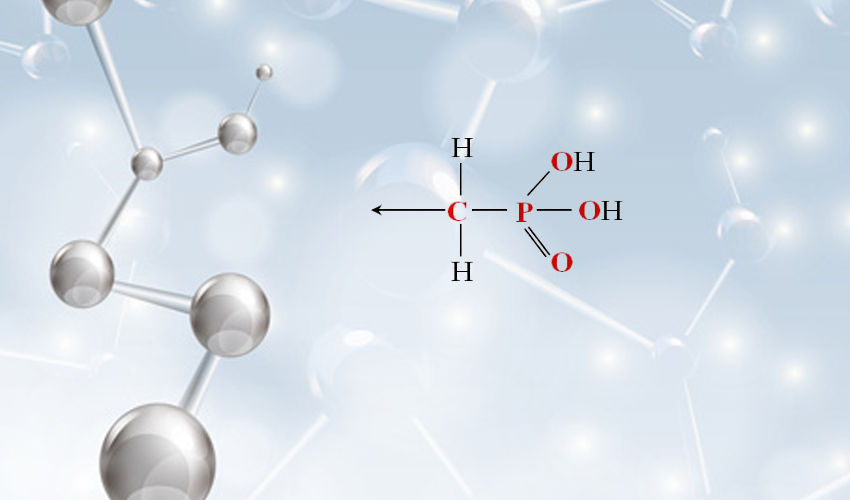
| phosphoric acid corrosion inhibitor / phosphate corrosion inhibitor / phosphate ester corrosion inhibitor / phosphonate corrosion inhibitor: LKP BTC manufactures "corrosion inhibitors" based on "phosphoric acid," "phosphate," "phosphate ester," and "phosphonate" chemistry. These compounds work by forming a protective, passivating layer on metal surfaces (often iron and steel) to prevent corrosive agents from attacking the metal. |
|
|
 |
| rust inhibitor for metal |
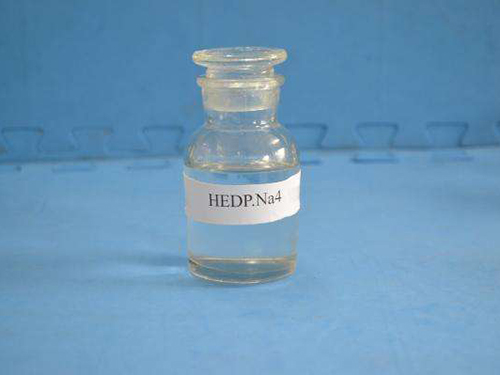
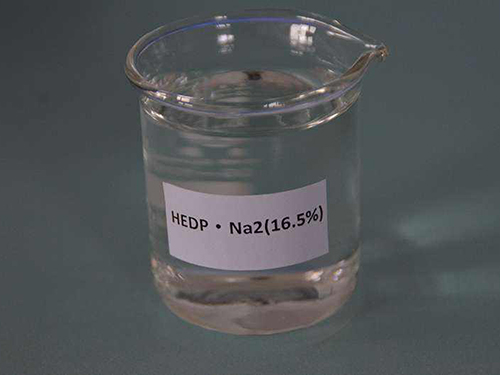
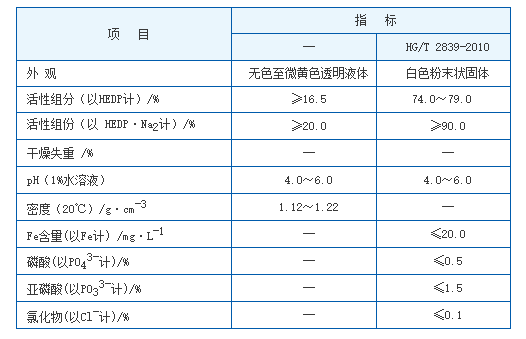
| chelating agents / anti chelating agent / biodegradable chelating agents / ca chelating agent / calcium chelating agent / chelating agent chemistry / chelating agents drugs / chelating reagent / chelating sequestering agent / chemical chelating agent / chemical chelating agents / citrate chelating agent / citric acid chelating agent / common chelating agents / disodium edta chelating agent / edta chelating agent / edta chelating agent calcium / edta is chelating agent / egta chelating agent / ethylenediamine chelating agent / hedp chelating agent / hedta chelating agent / k chelating agents / natural chelating agent list / natural chelating agents / natural chelating agents examples / organic chelating agents / phosphate chelating agent / phosphorus chelating agent / phytic acid chelating agent / sequestering agent and chelating agent / sodium chelating agents / sodium citrate chelating agent / versene a chelating agent / agent chelator / bifunctional chelator / chelating compound / chelating properties / chelating solution / chelating substances / chelator / corrosion inhibiting compound / edta chelation chemistry / edta chelator / edta metal chelation / edta mg chelation / edta sequestering agent / egta chelator / phosphate chelator / sequestering agent edta: LKP BTC is an expert in "chelating agents" (or "sequestering agents"). These are chemicals that form soluble, complex molecules with metal ions (like "calcium," "magnesium"), preventing them from forming scale or interfering with processes. Their product line includes:• Synthetic: "HEDP," "EDTA," "DTPMP," which are powerful "chemical chelating agents."• "Biodegradable" & "Natural": "Citric acid," "Gluconic acid," and "Phytic acid."These "organic chelating agents" are used in water treatment, detergents, and personal care to control metal ions. They explain the "chemistry" and "properties" of these compounds in their technical literature. |
|